
Planning a trip to Vietnam should feel exciting, not administrative.
But for many travelers, the visa question is the first thing that slows everything down. If you are visiting Vietnam for the first time, it is normal to wonder what the e-visa actually is, whether you need one, how long it lasts, and how early you should apply.
- If you are comparing entry options, read Vietnam Visa on Arrival vs. E-Visa (2026): Which Is Better for Your Trip?
- If you are checking whether you even need a visa, read Vietnam Visa Exemption 2026: Who Can Enter Free (And When You Need an E-Visa)
What Is a Vietnam E-Visa?
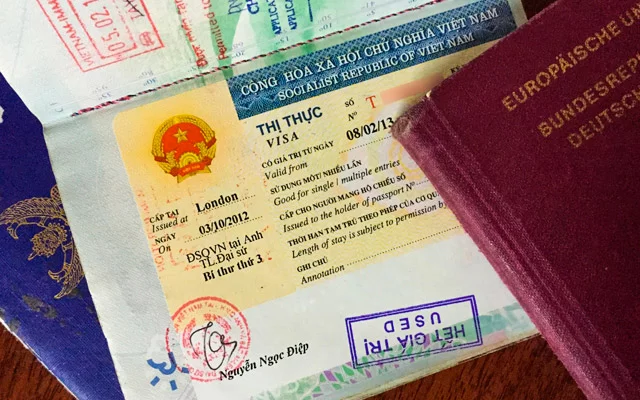
A Vietnam e-visa is an electronic visa that eligible foreign travelers can apply for online before entering Vietnam.
Instead of visiting an embassy or preparing physical paperwork in person, you submit your details online, upload the required files, and wait for approval digitally. Once approved, the visa is issued electronically and should be saved for travel.
That is why the Vietnam e-visa is now the most practical route for many travelers. It is faster, more convenient, and easier to manage before departure.
Still, “online” does not mean error-proof. Small mistakes in your name, passport number, or entry details can still create delays or boarding problems. That is why applying carefully matters.
Who Needs a Vietnam E-Visa?
Not every traveler has the same visa requirements.
Some nationalities can enter Vietnam visa-free for a limited period. Others will need a visa before traveling. If your nationality is not covered by a visa exemption, or if your trip falls outside the visa-free conditions, the Vietnam e-visa is often the most straightforward option.
The easiest way to think about it is this:
- If your nationality is visa-exempt, you may not need an e-visa.
- If your nationality is not visa-exempt, the e-visa is usually the main online option to consider.
- If you are unsure, always check the latest official rules before applying at The Official Government Portal
Read Vietnam Visa Exemption 2026: Who Can Enter Free (And When You Need an E-Visa) if you want a clearer nationality-based breakdown.
Types of Vietnam E-Visas and How Long They Are Valid
The Vietnam e-visa is not one-size-fits-all. The most important difference is whether you need:
- Single-entry e-visa
- Multiple-entry e-visa
Why this choice matters
Many travelers focus only on getting approved, but the visa type has to match the real trip. If your route changes, your visa may no longer fit your plan.
A better question is not “Which visa is cheaper?” but: “Which visa actually matches my itinerary?”
| Feature | Single-Entry E-Visa | Multiple-Entry E-Visa |
| Ideal For | Travelers who plan to enter Vietnam only once during their r›equested validity period. | Travelers whose itinerary includes leaving Vietnam and returning again during the same trip. |
| How It Works | Perfect for straightforward travel. You enter the country, enjoy your stay, and exit once at the end of your trip. | Offers regional flexibility, allowing you to cross borders and re-enter Vietnam without needing a new application. |
| Example Itinerary | Vietnam is your sole destination. | Using Vietnam as a base while taking short trips to Thailand or Cambodia, then returning to Vietnam. |
Vietnam E-Visa Requirements: What You Need Before You Apply
A smooth application usually starts before you even open the form.
At a minimum, you should prepare:
- Your passport
- A digital scan of your passport bio-data page
- A compliant portrait photo
- Your intended travel details
- Your planned port of entry
Most delays happen because travelers rush. They start the application first, then go hunting for documents halfway through. That is when details get mistyped or uploads get rushed.
Check The Official Vietnam e-visa Requirements before you apply
Pay special attention to your name
This is one of the most common issues for international travelers.
Your name should be entered exactly as it appears in your passport, especially in the machine-readable section at the bottom of the passport page. Missing a middle name or putting names in the wrong order can create problems later.
Quick checklist before you apply
Before submitting, make sure:
- Your passport is valid for your planned trip
- Your name matches your passport exactly
- Your entry point is correct
- Your uploaded files are clear and readable
- You are not applying too close to your flight
This part sounds basic, but it is where many avoidable mistakes happen.
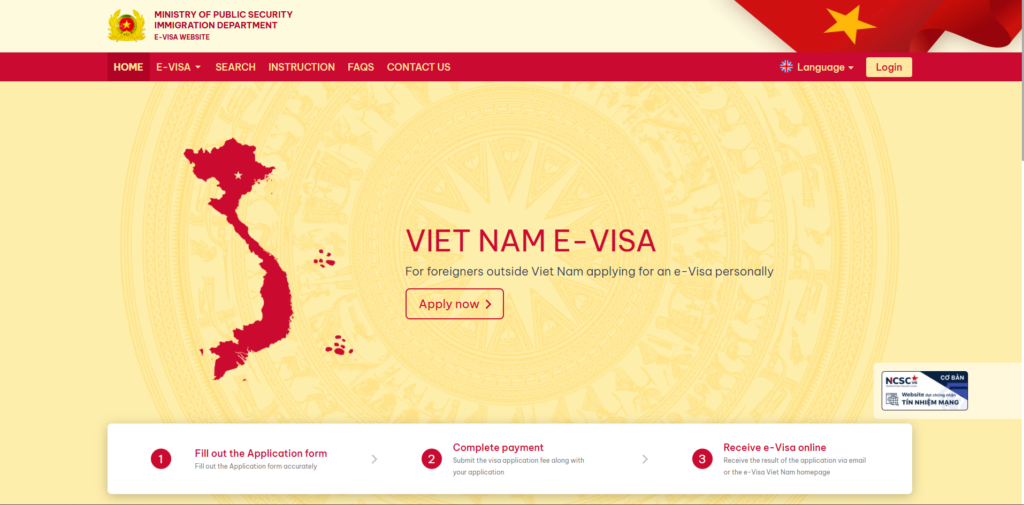
How to Apply for a Vietnam E-Visa
The application process is not complicated once you know the order.
Here is the simple version:
- Prepare all your documents first
- Fill in your personal and passport details
- Upload the required files
- Review everything carefully
- Complete payment
- Wait for approval
- Save and print your approved e-visa
That is the practical flow.
The most important step is not the first one. It is the review step before payment. That is where you should check your application the same way you would check an airline ticket: slowly, line by line.
Apply through The Official Vietnam e-visa Portal
Processing Time and Common Mistakes to Avoid
Processing time is one of the biggest stress points for travelers, especially those applying too close to departure. In many cases, it can take around 5 to 7 business days, though timelines may vary.
The main thing to remember is this:
Do not think only in calendar days. Think in buffer time.
Weekends, holidays, document issues, or small mistakes can all make the process feel longer.
Common reasons for delay
The most common issues are usually very small:
- Wrong passport information
- Missing or unclear uploads
- Name formatting mistakes
- Applying too close to departure
- Applying before your travel details are final
A lot of travelers assume that because the process is online, it will automatically be fast. But this is still an immigration document. Even a small inconsistency can slow things down.
Best rule
Apply earlier than you think you need to.
Not because every application is slow, but because visa stress becomes much worse when there is no room left to fix anything calmly.
If timing is tight, take a look at Emergency Vietnam E-Visa: Get Approved in as Little as 1 Hour.
When the Official Route Is Enough and When Extra Support May Help
For many travelers, the official self-service route is enough.
If your documents are clear, your case is simple, and you still have enough time before departure, applying yourself may work perfectly well.
But that is not every traveler’s situation.
Extra support can make sense if:
- You are applying for the first time
- You are not confident about your documents
- Your trip is getting close
- You are worried about making a small but costly mistake
- You want an expert review before submission
That does not mean everyone needs a visa service. It simply means some travelers value clarity, reassurance, and time-saving support more than doing everything themselves.
That distinction matters. The role of support should feel helpful, not pushy.
Conclusion
The Vietnam e-visa process feels complicated mostly when you are unsure about the basics. Once you know whether you need it, choose the right visa type, prepare your documents properly, and leave enough time before departure, the process becomes much easier to manage.
For most travelers, the e-visa is the simplest way to handle Vietnam entry in advance. And if you want more confidence before you submit, or you are working with limited time, extra support may be worth considering.
If you are ready to apply or want extra help before submitting, explore professional support here: